Monday, November 30, 2009

18 Ways to Burn 100 Calories

Sometimes exercising can be a real drag, especially if you are keeping to the same routine every day. Why not get creative with it and incorporate exercise into your daily routine? It is not just about eating healthy, you will need to exercise as well. However, it can still be fun.

So, if you really want to lose that jelly-belly, do five of these creative calorie burners each day to lose 1 to 2 pounds per week:

1. Get off the couch 33 times to change the channel.

2. Play beach volleyball for 13 minutes.

3. Go to the pool and dog-paddle for 17 minutes.

4. Go to the pool and do 250 breast strokes (approximately 10 minutes).

5. Walk up and down 33 flights of stairs.

6. Push a grocery cart for 45 minutes.

7. Carry five grocery bags from the car to the kitchen and put them away, take out the trash, wash the dishes and wipe down the kitchen counter.

8. Eat chili for a couple of days. Research shows that chili peppers boost your metabolic rate, burning 50 more calories a day.

9. Eat four meals with chop sticks instead of a fork. Slowing down can help you consume 25 fewer calories per meal.

10. Take a leisurely walk in the park for 51 minutes.

11. Walk backwards in the park for 43 minutes. For every 8 calories burned walking forward, walking backwards burns 10.

12. Shop during your lunch break while carrying a 7 pound bag.

13. Twirl in your chair at work 123 times, but don’t let your boss see you.

14. Drink 3 cups of green tea in 24 hours.

15. Chug 12 8-ounce glasses of ice water a day.

16. Go 20 mph on your bike for 6 ½ minutes.

17. Walk on a treadmill at 3.5 mph for 23 minutes.

18. Jump rope as fast as you can for 8 minutes.

Sunday, November 29, 2009

Your Body Can Burn Fat by Itself

You probably took one look at the title of this article and said “Yeah right!” But it’s true. Your body can burn fat on it’s own. With a few simple adjustments, your body can become a fat burning machine. Here’s how to maximize your body’s fat burning ability.

1. Exercise in short, intense bursts for effective fat burning after exercise.

2. Increase the amount of resistance/strength/weight training you do, to build more lean muscle. Muscle is ‘metabolically active’ and burns more calories than other body tissue even when you’re not moving.

3. Chill on the amount of food you are eating.

Technically:

1. Our bodies are built to survive, so when you exercise for long periods of time (often and consistently) your body thinks it needs to hold on to fat for energy. Doing short (12-15 minute), intense exercise sessions builds strength and burns calories, but not fat, so it “feels safe” using fat stores for energy after exercise.

2. Resistance training helps build lean muscle mass, and muscle burns more calories than fat.

3. If you are obsessing over things like fat grams and not eating a nutritious diet, your body will reserve energy (store fat) to survive.

Realistically:

1. Varying your exercise is the most effective and efficient way to stay lean and healthy. You must do some longer exercise to build cardiovascular endurance, burn lots of calories, and yes, even burn fat during exercise - your body will not click in to “save” mode unless you exercise for long periods of time, regularly and often.

2. You must do resistance training in order to build muscle and strong bones.

3. Exercise efficiently – two short, very intense training sessions weekly, like a 15-minute fast run/walk, and two moderately long, moderately intense sessions (30-45 minutes) of strong walking, cycling, or yoga, with one long day (60-90 minutes) of a moderately paced walk/hike. That’s a great five-day/week training schedule.

Saturday, November 28, 2009

Defy Holiday Weight Gain


With the combination of cold weather and holiday parties, it’s no wonder that the average American gains unwanted stomach fat over the holiday season. While this may not seem like much initially, over time it adds up. In order to avoid being one of the many who will pack on a few pounds before the New Year, here are some tips:

1. Exercise:- Continue your good habits, especially physical activity. Even if it’s cold outside and you’re busy, be sure to get in 30 minutes of physical activity every day.

2. Eat breakfast:- No matter how tempting, don’t skip breakfast! You will be less likely to overeat when you start the day with a good breakfast and continue to eat small 200-300 calorie meals every 3 hours throughout the day.

3. Don’t arrive at a party hungry:- Eat dinner at home and avoid hanging around the buffet table. If you must have a taste, then grab a small plate and load up on vegetables and fruit first.

4. Count your calories:- Figure out your daily allotment of calories and keep track of your calorie intake via a food journal. Generally, your calorie budget is your weight in pounds multiplied by 10 (i.e., 140 x 10 = 1,400 calories).

5. Limit alcohol:- Many people don’t realize that the average alcoholic beverage is high in calories—sometimes hovering around 200 per drink. Just remember: numbers can quickly add up.

The holidays can be one of the most difficult times of the year, especially for those trying to watch their waistline. Just remember to follow the above tips and you’ll ring in the new year with a smile—and most importantly, without any added weight.

Friday, November 27, 2009

Ever '10 Minutes' is Enough


Sometimes it’s tough to carve a half-hour chunk out of your busy day. But 10 minutes? Usually no problem. For many people, it turns out, that could be the key to losing unwanted fat and keep it off.

Tips from fitness experts reveal how to get in those mini workouts. Of course, not all of their suggestions will be ideal for everyone.

1. Get off the sidelines: If you have kids who participate in sports like soccer, lacrosse or even hockey, wear exercise clothes to their games so you can take laps around the field or rink.

2. Jump in place: Try those mini trampolines you can set up in just a few square feet of space.

3. Take the stairs: This workout may be available right where you work. It’s easy to change things up by varying the pace or taking two steps at a time.

4. Walk to school: If your community offers the Walking School Bus program, volunteer to become the chaperone who walks kids to or from school.

5. Get your game on: With the introduction of Nintendo’s Wii Fit, using a wireless balance board, Wii Fit lets you go through the motions of everything from tennis to boxing.

6. Note it: Keep a pocket notebook filled with several options for 10-minute exercise routines.

7. Walk the dog: Many people have pets, which provides a natural reason to walk.

8. Kick it up a notch: When you move your legs playing hacky sack, you’re using some of the largest muscles in your body.

9. Push the envelope: To work up to doing 10 minutes of standard push-ups, start by pushing against a doorway from a standing position, then to doing floor push-ups on your knees.

10. Pop in a DVD: You can find exercise DVDs that set up routines in 10-minute intervals.

11. Ride your bike: Most errands are less than 2 miles, so take your bicycle in place of the car.

12. Move to the music: Download several three- or four-song playlists to your iPod as soundtracks for freestyle dancing.

.

Thursday, November 26, 2009

Holiday Eating Without the Guilt -- or the Pounds


If you love the five-week holiday festivities from Thanksgiving to New Year's, but are already stressing about the added stomach fat you'll have to sweat off come Jan. 1, help is at hand. It's possible to enjoy holiday eating and make it to 2010 weighing the same as you do today. It's all about devising a strategy and thinking about holiday food just a little differently. Try this:

Eat before you go. Starving guests are more apt to load up their plates, so have a piece of fruit smeared with peanut butter or a small container of yogurt prior to heading out.

Think ''pick and choose," not ''sample." Picking and choosing is a great strategy if it involves picking the one dessert or other goodie you love and can't live without. Instead of sampling all three pies at a holiday dinner, decide which one you really like.

Remember, alcohol is loaded with calories. Start off at a party with seltzer water or sparkling water, then switch to alcoholic beverages.

Take control as hostess. Take advantage of that, prepare or serve [ready-make] broth-based soups that are packed with vegetables as a first course. Switch from buffets to meals served by the course to pace eating. It's probable you'll eat less overall that way.

If you love gravy, make it from fat-free broth. Include more casserole dishes -- you can increase the vegetables with hardly anyone noticing.

Move, even a little. Squeezing in a little exercise, no matter how hectic the schedule, will help.

Defend your resolve. Even with the best strategies in play, some people fall apart when face-to-face with those holiday hosts and hostesses who encourage you to eat.

You can resist them with a compliment like: "I love your pie, but I am full."

Wednesday, November 25, 2009

Real-Life Workout


You’ve got a gym membership you actually use either to get six pack abs or lose weight in general. You run three miles each weekend. So why does your back ache after you’ve hauled around one too many boxes? Or how come you get a sudden pinching sensation when you reach for something on the top shelf in the kitchen? You may be coming up short in a specific kind of fitness—functional fitness. Fortunately, improving functional fitness is something you can do at home, and it requires almost nothing in the way of equipment.

Agility:- Agility lets you move your body in new and different ways, even when it’s not prepared to do so. If you lack agility, your body will be shocked by sudden moves, and you’re more likely to strain or tear a muscle or tendon in your back, side or leg.

To improve this, try doing lunges while rotating your upper body, walking backward slowly or running side to side quickly, the way football players do during training. Do agility work two to four times a week, alternating with the days you do strength training.

Balance:- Good balance makes it less likely that you’ll fall and break a bone or otherwise injure yourself. It also promotes good posture, which can prevent back pain.

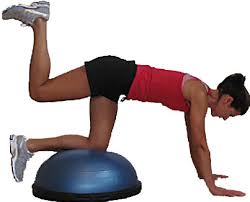
To improve this, try to balance on an unstable surface, such as a balance board, and then balance on a flat surface, like the ground. Once you get the hang of it, add a challenge by standing on one leg and have someone throw a ball to you. Practice balance exercises every day.

Strength:- You want your body to be as strong as possible. It will not only help you do things in everyday life, but strength training is also important for bone health. Plus, strength plays a role in injury prevention. A loss of lower body strength along with poor balance can lead to falls.

To improve this:- Free weights are among the most common ways to build strength, but you can also use resistance from your own body weight by doing exercises such as push-ups or leg squats. Do this two to four times a week, alternating with the days you focus on agility exercises.

Tuesday, November 24, 2009

Demystifying the Health Club


Have you been procrastinating about joining a health club because of the fear-of-the-unknown factor? There’s no doubt that the process can be intimidating to first timers trying to lose unwanted fat—the lingo, the classes, the routine. Arming yourself with a little knowledge about what to expect when you walk through the door can help you find a health club where you’ll fit right in.

WHAT TO LOOK FOR

Facilities are just as likely to provide personal coaching, medical-school-trained personnel and day care, as they are to offer sophisticated workout machinery. Every club has a different setup, so you need to look at your needs and your routine. Is flexibility in workout times most important, or would the latest and greatest classes bolster your motivation? Do you require child care, or is proximity to work a must? Questions like these will let you come up with a short list of what you’re looking for in a health club.

TAKE A TOUR:- Pay careful attention to how well the staff listens to your questions and how concerned they seem to be with improving your physical health.

GET STARTED:- Take advantage of introductory programs, such as a fitness evaluation and equipment orientation, particularly if you haven’t exercised in a while, or at all. One-on-one time with a trainer can be key to creating a workout routine that you enjoy and will stick with. If you don’t feel like you’re clicking with your trainer, ask to be reassigned.

Health club employees can’t wave a magic wand to transform members from sedentary to taut and toned. But a good club and a caring staff can make you feel right at home and work in tandem with you to help improve your fitness level. God luck all.

Monday, November 23, 2009

Is Salad The Right Choice For Weight Loss?


When someone starts a new diet and they go out to eat at a restaurant, the first thing they do is reach for a salad. A recent study had 42 women eating lunch that consisted of a first course salad and a pasta entrée. The salads they ate varied in both the calorie content and the portion size, but all contained lettuce, carrots, tomatoes, celery, cucumber, and Parmesan cheese. The amount and type of cheese and salad dressing was varied to alter calorie amount. Here's what researchers found:

Women who started lunch with a "low calorie" salad consumed 7% fewer calories during their meal.

Women who ate the small or large portion of "high calorie" salad increased the total calorie intake of their meals by 8% and 17%, respectively.

The most effective approach for controlling calories, is eating a large portion of "low calorie" salad before the main entrée. This approach increased fullness while decreasing the total calorie intake of the meal by 12%.

Eating a salad before your meals does more than help you meet your daily veggie quota. Starting with a salad may be an effective tool in helping you decrease your total calorie consumption during lunch or dinner, which can help you achieve that weight loss. But watch your portions and avoid high-calorie salads full of too many extras like bacon, cottage cheese, mayo, and high-fat cheese or dressings.

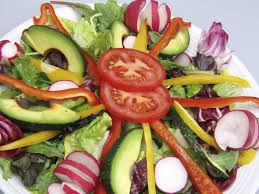
To start your meal, a 100-calorie salad is recommended. Enjoy 1-2 cups of a low-calorie lettuce and veggies, such as Romaine or leafy greens, onion, radishes, carrots, celery, cucumbers and tomatoes (totaling 25-50 calories); 1-2 Tablespoons of low-fat cheese (25-50 calories); and 1-2 Tablespoons of low-fat or fat-free salad dressing (25-50 calories). ENJOY.

Sunday, November 22, 2009

Great Ways to Tone Your Stomach


First, of course, the standard advice applies. Eat right and don't sit around like a couch potato. You'll need to exercise every day if you want those amazing six pack abs. However, there are some specific things you can do that will help the process along in addition to a good diet.

Swim:- Not only does it provide excellent cardiovascular exercise which will help you lose weight, but it also helps you burn calories since the water temperature causes your body to cranks up your metabolism to help keep you warm, which translates to weight loss.

Easy Does It on the Salt:- Too much salt raises your blood pressure and makes you retain water. When you retain water, you become bloated, and this can hide those sexy abs you want to show off.

Guzzle Some Green Tea- Green tea is loaded with antioxidants, which is great. However, it also has a substance in it that is touted to burn fat. But you don't have to go for any fancy pills. Instead, get some plain old green tea bags from the grocery store, fix yourself up a pot or two of tea, and chug way.

Ramp Up Your Workout:- If you've been sedentary for a while, easy does it. You don't want to be having any heart attacks because you did too much too soon. Also don't want to get injured.

Do Some Interval Cardio:- Interval cardio has you getting your heart rate to 85% of its maximum for one minute, then reducing the intensity by 40% for one minute, then back to 85% of your heart rate maximum for one minute, then 40% for one minute, and so on. Do this for as long as you can comfortably, but work your way up to 40 minutes of this type of interval training as you go along.

Friday, November 20, 2009

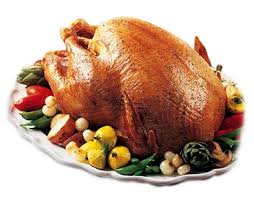
Great Tips For a Healthy Thanksgiving


It’s easy for most of us to pack on at least a pound (some gain more) during the holidays and keep the extra weight permanently, but it doesn’t have to be this way. With a little know-how, you can satisfy your desire for traditional favorites and still enjoy a guilt-free Thanksgiving feast. After all, being stuffed is a good idea only if you are a turkey.

Eat less and exercise more is the winning formula to prevent weight gain during the holidays. Increase your steps or lengthen your fitness routine during the weeks leading up to and especially the day of the feast.

Eat Breakfast:- Experts say eating a small meal in the morning can give you more control over your appetite, so you won't be starving when you arrive at the gathering.

Lighten Up:- Make your recipes healthier with less fat, sugar and calories. Chances are no one will notice the difference if you make adjustments by using lower-calorie ingredients.

Police Your Portions:- Do take in everything you see and before you fill your plate; survey the buffet table and decide what you're going to choose. Then select reasonable-sized portions of foods you cannot live without.

Slowly Savor:- Eating slowly, putting your fork down between bites, and tasting each mouthful is one of the easiest ways to enjoy your meal and feel satisfied with one plateful of food.

Go Easy on Alcohol:- Choose a glass of wine or a wine spritzer and limit drinks containing hard liquor, or enjoy sparkling water, which can still have a festive feel.

Be Realistic:- With busy schedules and so many extra temptations, this is a good time to strive for weight maintenance instead of weight loss. If you can shift to a mindset of weight maintenance, you will be ahead of the game and can ideally avoid gaining any weight over the holidays.

Thursday, November 19, 2009

Maintain That Weight Loss


It’s not uncommon to experience a plateau in weight loss, especially after about six months. The body may require an adjustment period to get used to the weight loss. Keep in mind that most body systems aim to remain in a steady state, or what is known as homeostasis. Perturbing the body with continued weight loss goes against this grain. So you may need to stay in a temporary holding pattern at some point in the future, where you focus on maintaining your weight loss, rather than losing more.

Very overweight people often have unrealistic expectations about how much weight they expect to lose. A 300- or 250-pound person may want to lose 100 pounds, but may find that they seem to be able to lose less than half of that. If you’re physically fit, enough to increase exercise levels dramatically, you may be able to decrease more. On the other hand, if you can diet down and drop more weight, but you constantly yo-yo, it may be better to accept a sustainable weight loss. It’s still healthier to be 25 pounds less and maintain that loss than to lose vast amounts of weight—then regain it. While a smaller, more realistic weight loss may not make you as slim as you wish, you will still have improved your health dramatically. Your medical profile (blood pressure, cholesterol and insulin sensitivity) can improve with as little as a 5 percent weight loss.

The key to maintaining your weight loss is sticking to better eating and regular exercise. To do that, you need to stay motivated. Knowledge is power. And if you keep yourself informed on the latest findings on weight loss, nutrition and fitness, you’ll find the inspiration to carry on. You can succeed and feel better than you ever have before.

Wednesday, November 18, 2009

True Facts About Long-Term Weight Loss


The fact of the matter is that most people who lose weight gain it all back, but this doesn’t mean that you are destined to become such a statistic. There are people who do experience with long-term weight-loss success. To be one of them, you need to realize that it is possible to keep the weight off—and even lose more. But since it may be difficult at times, you need to be realistic and plan how you’ll overcome the struggles.

Most people look for the best diets to lose weight. But what scientists have realized is that losing weight is the easy part. Most diets, healthy or not, do work. You can drop pounds fairly quickly, especially the more overweight you are. But no matter how you lose the weight, the real challenge is to keep it off long-term.

If you’ve been overweight or obese for two years, 10 years, or 20 years, a short-term diet or fitness plan won’t solve your problem. Obesity is a chronic disorder which requires a long-term approach. Once you’ve lost weight and you are trying to maintain the loss, or lose even more, you will find that, at times, it will be difficult. But, you will also experience periods where you enjoy eating healthy and your exercise sessions feel easy.

You are going to have to stay disciplined—and keep finding ways to stay motivated to do so. You’ll be faced with temptations and you’ll have to find ways to resist or avoid them. In today’s busy world, environmental factors such as fast-food chains everywhere and too many sedentary activities like TV-watching, driving and using computers, lead you to eat more and exercise less.

Tuesday, November 17, 2009

One-Minute Weight Loss Secrets

Yes ladies and gentlemen, it’s true. You can cut calories and burn fat in 60 seconds or less. With about 1,000 waking minutes in every day, you'll find plenty of opportunities to slip these tips into your routine and watch the scale go down. If you've already begun to lose weight, these can maximize your efforts and speed results.

Weight Loss Secrets

1. Mix a juice spritzer:- Combine your favorite juice with plain or sparkling water. You can cut up to 85 calories per glass—and lose 5 pounds or more a year.

2. Pick up the cordless:- Burn calories while you talk: Do the laundry (68 calories), set the table (85 calories), or water plants (102 calories). (Values based on a 150-pound person and half an hour of activity.)

3. Pop a piece of gum:- Researchers recently discovered that chewing sugar-free gum all day increases your metabolic rate by about 20 percent. That could burn off more than 10 pounds a year.

4. Study the wrapper:- At a quick glance, that candy bar appears to contain 220 calories. But a closer look may reveal that it provides two or more servings—which more than doubles those calories.

5. Sip green tea before you walk:- The caffeine frees fatty acids so that you burn fat more easily. And the polyphenols (antioxidant compounds) in green tea appear to work with caffeine to increase calorie burn. (If you have high blood pressure, skip this tip.)

6. Ditch diet shakes:- The calorie savings are only temporary; you just eat more later.

7. Pack a lunch:- Dining out more than five times a week may make you eat more—nearly 300 calories a day—than if you dine out less frequently.

8. Dip your bread:- Use olive oil in place of butter. It's healthier and may also help you eat less. In a recent study, dippers ate a total of 52 fewer calories on average than those who used butter.

9. Sprinkle flax on your cereal:- High-fiber, ground flaxseed can help curb your appetite and eliminate calories. Also add it to yogurt or muffin and bread mixes.

Monday, November 16, 2009

Keeping the Pounds off During the Winter Months


Congratulations ladies! You’ve done the work and dropped the unwanted fat. Unfortunately, the hardest part is yet to come: keeping off the fat. One of the biggest challenges that ladies experience is maintaining the new weight once the target goal has been achieved. It’s easy to fall off that wagon and takes strength and commitment to keep going. The task at hand becomes even more difficult to carry out when executing it during the winter months. To help you through the hard times, here are some quick tips that may make the road ahead a little bit easier to travel.

Merry Mornings-A study conducted by the National Weight Control Registry showed that those of us who worked to keep the pounds off succeeded better if we ate a morning meal. So no matter how busy you are, take time to eat a bowl of cereal and start your day out right. It may help to curb later hunger binges.

Eat Your Calories-One of the biggest mistakes we can make is indulging in high calorie drinks. So next time you reach for a mocha latte, stop and think whether you wouldn’t be more fulfilled with a glass of ice cold water and a nutritious meal.

Make A Schedule- In order to avoid messy schedules that leave little time for exercise, make sure to pencil in a session at a certain time and date. This way, you’ll be more likely to follow through with your exercise plans.

Have Fun- Remember: exercise is supposed to be fun! That means if you dread climbing aboard the treadmill day after day, you’ll be less and less likely to follow through. Instead, plan on an exercise that you enjoy and will be likely to continue into the future. With all the different choices available in exercise videos, gyms and classes, you’ll have more than enough choices to discover something you truly have fun working at!

Sunday, November 15, 2009

Jump Out of Excess Weight


Rope jumping is second to none when it comes to losing unwanted belly fat, and best of all, it cost almost nothing. The great thing about rope jumping is that you don't need a lot of special gear or detailed instructions. With a quick lesson, good form, and a few ideas to keep it fresh, you'll be on your way to toning up and dropping pounds. The following tips will get you started.

Use good form. With good form, jumping is easier and more enjoyable no matter what your fitness level. The components of the jump look like this:

• The Twirl. Keep your elbows close to your body, your shoulders down, and your upper body steady. Holding your hands level with your hips, turn the rope with your forearms and wrists.

• The Jump. Rope jumping is not a super high impact activity. You should jump only as high as is necessary for the rope to clear the space between your feet and the ground--generally not more than an inch. Keep your knees slightly bent throughout the exercise.

• Cushion your landing. The sidewalk was fine when you were a kid. But your grown-up hips and knees prefer a more cushioned landing surface. Hardwood floors, low carpeting, a thin exercise mat, and even blacktop are safer surfaces.

• Keep the beat. Jumping rope to up-tempo music helps you find your rhythm and makes the exercise feel more like play.

• Run, skip, jump. The classic jump rope move is a single two-footed hop per twirl. So it's twirl, hop, twirl, hop. But you're not locked into this two-step jump. These moves not only add some variety, but also are easier on your body, so you can jump longer without needing a break:

• Single-foot hops. Alternate hopping with just one foot, then the other. Hop right then left for counts of one to three hops on a side.

• Rope jacks. Alternate landing with your feet in a wide or narrow stance, as you would during jumping jacks.

Try these and you can burn almost 200 calories in 15 minutes. Good luck!

Saturday, November 14, 2009

Don't Make the Same Mistake


As a follow up to yesterday’s post, and as we strive to lose unwanted fat, the need to be aware of what we eat has become more apparent. So here are a few more healthy eating tips.

You choose snacks that are "made with real fruit"

Pictures of luscious-looking fruit adorn the packaging, and the labels claim that there is real fruit inside--but don't think you can count these snacks as one of the four to five daily servings the new dietary guidelines recommend. Treat these snacks as candy, which is what they really are, and eat them sparingly. Satisfy your sweet tooth with real fruit instead. If you're looking for convenience, pack a single-serving box of raisins or other type of dried fruit.

You toast your health with a glass of wine

More than 100 studies have found that moderate drinkers have about one-third lower risk of heart disease than those who abstain. But excessive drinking--three or more alcoholic beverages a day, most studies agree--has also been proven to send blood pressure climbing. New evidence shows that even light to moderate drinking on an empty stomach can contribute to high blood pressure risk. It’s better to enjoy that drink over dinner.

You have an after-dinner mint instead of dessert

The cooling taste of mint may sound like just the thing after a heavy meal, but it could spell trouble. According to the National Digestive Diseases Information Clearinghouse, mints are high on the list of foods that can cause heartburn, the telltale burning in the lower chest that occurs when juices from the stomach creep up into the esophagus. Mint seems to relax the muscle that keeps the valve at the top of the stomach clamped down, increasing the odds of reflux. Other surprising culprits: caffeine-containing food and beverages, such as chocolate, soda, and coffee.

Live healthy!

Friday, November 13, 2009

Food Mistakes Many Makes


You diligently read health reports and you honestly and tenaciously try to eat healthy, keep up with the latest diet trends, and make the smartest choices to lose weight--but are they as healthy as you think? Here's a reality check:

You reach for multigrain bread or cereal

Foods labeled 7-grain or multigrain may seem like the healthiest choices--especially with new findings showing that a diet rich in whole grains protects against heart disease, cancer, and other ills.

To be sure you're getting the grains you want, check the ingredients panel. Whole grains should be the first or second ingredient listed. Luckily, finding whole grain products is easier now that manufacturers supplying at least 16 g of whole grains per serving – what's considered an excellent source – are stamping their packaging with the Whole Grains Council's logo.

You buy bottled water laced with vitamins

It's a measure of how health conscious we've become that water is now fortified with nutrients and even medicinal herbs. But when it comes to so-called enhanced water, I suggest you save your money.

A smarter move is to drink plain, refreshing, calorie-free water when you're thirsty and take a multivitamin daily to make sure you get balanced levels of the essential vitamins and minerals.

You choose veggie chips over potato chips

Dozens of munchies are made from carrots, spinach, kale, and even exotic tropical vegetables. Many of these seemingly healthful snacks are still loaded with calories: A 4-ounce bag of Hain Carrot Chips contains 600 calories, just as much as Lay's Classic potato chips.

When you simply must have chips, look for brands with vegetables at the top of the ingredients list. A tip-off to a snack's healthfulness is its fiber content. If you're counting calories, baked potato chips – at 110 calories per serving – are a better choice. An even healthier alternative? A handful of nuts, loaded with fiber, healthy oils, and vitamins and minerals.

Check back tomorrow for some more tips.

Thursday, November 12, 2009

Importance of a Healthy Diet


It's no secret that obesity has reached epidemic levels globally over the past several years. Statistics show that there are over one billion obese adults around the world, and of those, at least 300 million are considered to be clinically obese. One of the main contributors to such high obesity levels is improper diet.

Super Size?

Fast food is convenient, affordable and in most cases quite tasty. For this reason, fast food is the meal of choice for many on the go parents and for college students who need the most bang for their buck. The problem, however is that fast food usually lacks in nutritional value, containing more empty calories and fat than protein, carbohydrates and other healthy nutrients.

Healthy Diet, Healthy Body

A well balanced diet provides the body with the nutrients it needs to fight off various illnesses and improve physical, mental and emotional wellness. Potassium rich foods aid in lowering blood pressure. The fiber contained in veggies and legumes aid in digestion, which in turn may help to lose weight. In addition to stress relief, vitamin C may aid the body in repair of cuts and wounds. Vitamin A promotes eye and skin health. A diet containing plenty of fruits and veggies lessens the risk of type 2 diabetes, cardiovascular disease, high blood pressure and several forms of cancer.

Conclusion

Obesity, heart disease and several other illnesses while not entirely controllable may be affected greatly by the choice of what we put in our bodies. Something so simple as adding more vegetables to the plate or only eating fast food once per month can lead to a longer, happier, healthier quality of life. The power is ours.

Wednesday, November 11, 2009

Lose Weight With Half the Effort


Wanting to lose unwanted stomach fat in a hurry? The magic word is half. These ½ Rules will get you on your way to dropping weight in a hurry.

1. Eat Half Your Plate

In today’s super-sized society, controlling your portions can be the key to losing weight. For example, a bagel from your favorite bakery or restaurant can have anywhere from 300 to 400 calories. Add cream cheese and you’re eating nearly 600 calories for breakfast! Instead, eat half the bagel. You can save the other half for later or even for the next day’s breakfast.

Most food products have their nutrition information printed on the back of the package. Make sure you know what they consider to be a portion size and how many calories it has.

2. Half Veggies

Vegetables are full of proteins, vitamins, antioxidants, minerals, calcium and other good stuff. But what they are not full of is calories.

When you sit down to meals, make sure that at least half your plate is vegetables. Preferably the green leafy kind. Think plain old broccoli is boring? To keep things interesting, switch up your side dishes. Brightly colored veggies like tomatoes, carrots and spring peas will excite your eyes as well as you stomach.

3. Exercise for at Least Half an Hour

Any weight loss plan should include some form of exercise. Aerobic exercises like jogging or playing basketball raises the heart rate and helps burn calories quickly. Taking time during your lunch to go for a walk or to hit the gym will bring fast, lasting results.

Tuesday, November 10, 2009

Eat Slowly to Lose Belly Fat.


Sporting a jelly-belly? Some call it their "spare tire." And for women, there's just about nothing as humiliating as being mistaken for being "preggers" when you're not. Does this happen a lot if you're carrying quite a bit of fat around your midsection?

Hearing someone else comment on your size can drive even the sanest person to the nearest fast-food joint to temporarily comfort themselves the only way they know how.

Overeating is one of the main causes of obesity. However, there is a relatively simple way to help you lose belly fat safely. And, the sweetest thing about it may be that you don't have to dish out any dough! You can do it without experiencing profoundly agonizing cravings to "stuff your face more," too.

The scoop on how to feel fuller faster and cease hunger pains sooner is to eat slower.

Perhaps you've been programmed to "hurry up and eat your food before it gets cold." Or, maybe you're from a big family and had to compete for food on the table. Regardless, have faith in yourself -- you can really consume your food more slowly and break your habit of overeating.

Here's how it works: When you put food in your mouth, it takes a certain amount of time for receptors in your brain to receive the message you're being satisfied from it and do not need to eat more. According to additional research, those with obesity have food-satisfaction signals that do not get to their brain until 20-plus minutes after having eaten. Yet, "skinny minnies" who do not rush eating have their brain notified by satiation signals within 12 or more minutes. Hence, such findings illustrate eating slowly ensures that those important messages have time to reach the brain.

Monday, November 9, 2009

The Scale Can Ruin Your Diet


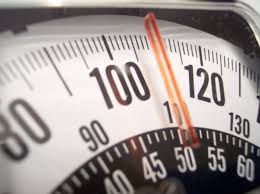
Today's scales are supposed to help you lose weight by allowing you to document your weight loss, but sometimes they can be more of a hindrance than a help. If you're trying to lose weight, it's important to keep track of how much you weigh, but stepping on the scale too often can ruin your attempt at shedding excess pounds.

Weighing yourself every day, or many times a day, can sabotage your eating plan for getting to a healthy weight. It can be frustrating to see movement on the scale, and it might take you away from sticking with your plan, especially if the numbers on the scale go up.

The problem is that a person's body weight can fluctuate wildly day to day, and even hour to hour. If you weigh yourself first thing in the morning, you're going to have a different weight than if you weigh yourself at 5:30 p.m. You weigh less in the morning because you have an empty stomach, and you're usually a little bit dehydrated.

What you eat also makes a difference. For example, if your meal the night before was high in sodium, you might be a little bloated, with water affecting the weight on the scale. In addition, women's menstrual cycles can play havoc with the amount of water they retain. These hormonal variations can cause the scale to tip in a way not reflective of your overall healthy weight.

An individual should weigh themselves once a week. Once a week is a good time to check in and see if the scale is moving in the desired direction. Weigh yourself at the same time on the same day so there's consistency in your measurements.

Sunday, November 8, 2009

The 6 Healthiest Weight Loss Foods

Losing weight safely takes a realistic approach. This includes changing eating habits and plenty of exercise. A lifestyle based on healthy eating and regular physical activity can help you look and feel better. These top six weight loss foods do double duty when it comes to losing weight and keeping if off. These foods nourish and support cell rejuvenation, help detoxify and eliminate the bad stuff your body doesn’t need.

This list only consists of SIX but there are so many healthy foods out there:

1. Flaxseeds - Are very high in fiber and this helps to keep weight down in several ways: first, high-fiber foods have fewer calories relative to the total weight of the food. Secondly, flax contains high levels of the “good” fat - polyunsaturated fats. Polyunsaturated fats are an essential part of our diet, and should not be cut out.

2. Ginger - Traditionally used as a digestive aid. It helps you lose weight by burning calories. In many cultures ginger was used as a digestive aid with meals. Ginger is known to neutralize the stomach acids that cause nausea, diarrhea, cramping and control inflammation.

3. Watermelon – This fruit can help reduce water retention in tissues. One cup of diced watermelon is about 90% water, and contains 50 calories 44 of these calories do come from sugar (this is a natural, healthy fruit sugar).

4. Salmon and Sardines - Two of the best sources of omega-3 fats. Omega-3s have a positive effect on heart rhythm. Both contain high amounts of protein, plus they are rich in a naturally occurring nutritional compound found in some fish which helps boost energy, fight fatigue and burn fat.

5. Protein (chicken, turkey, fish, legumes, nuts, seeds) - Protein contains the building blocks that your body uses to make hormones and enzymes, but most important protein repair cells. To figure out your protein needs, multiply your weight by 2.

6. Peppers - Both hot and sweet peppers contain substances that have been shown to increase the body's heat production and oxygen consumption for about 20 minutes after eating

Keeping these tips in mind will help you feel better. It’s not about dieting, it’s about eating right!

Saturday, November 7, 2009

Strengthen Your Core For a Tight Tummy

Whether your goal is to lose belly fat by the winter or you want to use exercise to help you lose weight or perform better, here are a few exercises that will strengthen your core muscles. Being a good athlete demands a strong, stable core—all the muscles of your torso and pelvis that support your spine. Like the trunk of a tree supporting its branches, these muscles also help stabilize your body as it moves.

Bun Burner:- Lie on your back on an exercise mat or other soft surface, with your feet on the floor, your knees bent, and your arms at your sides. Press both feet into the floor and lift your pelvis. Squeeze your buttocks together, keeping your navel drawn in and your tailbone pulled in slightly to maintain neutral alignment. Hold for 3 to 5 seconds. Breathe naturally as you lower your pelvis back to the floor. On the descent, let your spine slowly touch the mat one vertebra at a time until your tailbone reaches the floor. Perform the recommended number of repetitions.

Torso Toner:- Kneel and place your hands on the floor, with your shoulders over your wrists and your pelvis over your knees. Maintain neutral alignment, with your shoulders back and your navel pulled in. Lift your right arm and extend it forward. With your right arm still outstretched, extend your left leg out behind you. Then do the exercise with the opposite arm and leg. Continue alternating arms and legs for the recommended number of repetitions. Be careful not to let your pelvis rock out of neutral while lifting your legs.

Tummy Tuck:- Lie on your back on an exercise mat or other soft surface, with your knees bent and your arms at your sides. Place a tennis ball or Hacky Sack on your navel. Inhale. Then, on the exhale, draw your abdomen in, without performing a crunch, to engage your outer and inner abs. Repeat this breathing and movement pattern, using deep, controlled breaths, for the recommended number of repetitions.

Thursday, November 5, 2009

Tips to Increase Your Resistance


Regardless of what your goal is, whether it’s to get 6 pack abs or toned thighs, you need to include strength training into your routine. However, as you progress, the need becomes evident for an increase in that level of training. Here are some tips to effectively increase your resistance training:-

Step 1: Increase the resistance by no more than 10%. For example, if you were currently lifting 50 pounds, you’d increase that by 5 pounds. This should automatically feel more challenging to you, but even if it’s not noticeably more difficult, 10% is a pretty safe place to start. Increasing the weight more than 10% at a time increases the likelihood of injury, so progress slowly.

Step 2: With your newly adjusted weight, aim for 1-3 sets of 8-15 repetitions and 10% increase, you’ll be working harder than usual.

Step 3: Once you can complete 2-3 sets of 15 reps in good form, whether it takes you just a few workouts or even a few months, it’s time to go back to Step 1 and increase your weight by 10% again.

Lastly, accept the fact that you will have good days and bad days. Sometimes you will feel like the Incredible Hulk, where the weight you lift is as light as a feather, and other days you will feel like Pee Wee Herman, when what was easy two days ago feels like a ton today. Take it as it comes and adjust accordingly. Commit yourself to work hard when it is time to workout and you won’t regret that time well spent.

Wednesday, November 4, 2009

You Need a Lift


Strength training, if your intent is to lose unwanted fat or to get fit overall, should be about building and maintaining a certain level of strength. You might not be lifting enough weight during one or many of your exercises. So here are some signs that you need to increase your resistance:-

1. The current weight you are lifting isn’t a challenge. Strength training is meant to be challenging, because the whole point is to “overload” your muscles so they get stronger. If the weight you are lifting isn’t as challenging as it used to be (or isn’t challenging at all!), then it is time to increase the resistance.

2. You could go forever. Each strength training exercise you do should cause you to feel muscle “fatigue” within 15 repetitions (or fewer). Muscle fatigue feels like you couldn’t possibly do another repetition in good form. If you can do more than 15 reps in good form, or if you literally feel like you could go on forever because the resistance you’re using is so easy, then it’s time to take it up a notch.

3. You have never increased the weight you lift. When you first started strength training, then the weight you lifted was a starting weight. Continuing to progress in strength training is essential to getting the most out of your workouts—that means lifting more weight as you get stronger over time.

4. The progress has come to a stop. Without making your muscles work harder than they’re accustomed to, they won’t get stronger. As you train, your muscles will grow stronger in order to meet the demands you are placing on them. So, if you keep offering them the same workload, they will keep working the same amount, and progression comes to a grinding halt.

Recognize if you are experiencing any of the 4 signs above by taking the time to pay attention to the level of difficulty and challenge of each of your exercises during your workouts. If you experience any of these signs, then it is time to increase the resistance.

Tuesday, November 3, 2009

You Seriously Need to Strength Train


Most people think that strength training is for body builders with 6 pack abs, but that just simply isn’t the case. Strength training improves your balance, strengthens your bones and helps you lose weight, as it makes you look and feel better. Strength training can benefit people of all ages and can be particularly beneficial for those with health issues such as arthritis or heart conditions. Consider the following facts:

1. Strength training protects bone health and muscle mass: After puberty, both men and women begin to lose about 1 percent of bone and muscle strength every year. One of the best ways to stop, prevent and even reverse bone and muscle loss is to add strength training to your workouts.

2. Strength training makes you stronger and fitter: Strength training is also called resistance training because it involves strengthening and toning your muscles by contracting them against a resisting force.

3. Strength training helps you develop better body mechanics: Strength training has benefits that go well beyond the appearance of nicely toned muscles. Your balance and coordination will improve, as will your posture.

4. Strength training plays a role in disease prevention: Studies have documented the many wellness benefits of strength training. If you have arthritis, strength training can often be as effective as medication in decreasing arthritis pain. Strength training can help post-menopausal women increase their bone density and reduce the risk of bone fractures.

5. Strength training translates to more calories burned: You burn calories during strength training, and your body continues to burn them afterwards. More calories are used to make and maintain muscle than fat, and in fact strength training can boost your metabolism by 15 percent, which can really jump-start a weight-loss plan.

The number-one rule here is to be creative. Don't limit yourself to just lifting weights, expensive machines or a gym membership. Push-ups, jump squats, lunges, hiking and even mountain climbing are all examples of exercises that provide strength training.

Monday, November 2, 2009

Fun Fitness Plan For Families


Fitness should be a group effort. What better way to get fit than to have the support and encouragement of your family? Family exercise will improve the health of your loved ones, make Dad lose stomach fat, and at the same time develop stronger connections between all of you. With a little creativity, you can find a way to make it work for everyone.

First, decide what level of participation your family is ready for. If your entire family is committed 100%, you could go as far as setting up a Family Olympics. If it's a struggle to get your family to do anything together, starting out small might be the better option.

Here are a few other ideas to get your family focused on fitness:

* Combine exercise and household chores. On small pieces of paper, write down chores and body weight exercises. Throw the papers into a couple of hats and have everyone pick one of each. Maybe Dad gets to clean the bathroom and do a set of squats every few minutes until he is finished, while one of the children is cleaning the kitchen and doing forward lunges, etc—the combinations are endless. Mix it up with yard work, seasonal chores, and even some aerobic components like jumping rope.

* Have each family member pick an exercise at the beginning of the week and do as many reps as they can. Then train throughout the week with the goal of improving by the weekend. The family member who has the highest percentage increase is rewarded with something small (but motivating). Keep the focus on the fact that everyone is improving.

* Designate one evening as family fitness night. Each week, a different person designs the family workout that you will all do together. Whether it’s swimming, rollerblading, walking, Frisbee golf, or a two-on-two basketball game—everyone gets to do something they enjoy, and your workout will never become dull.

Sunday, November 1, 2009

The Couch Potato Workout

Is your TV schedule more elaborate than your workout schedule? If that is the case and you cannot get rid of that jelly-belly, then I guess you will have to learn how to get in exercise where it fits in. Every hour-long television program contains approximately six commercial breaks that last 3 minutes each, so you can get a total body workout without missing a scene. Bonus: Exercising during breaks cuts down on snacking. Try this workout routine the next time you tune into your favorite show:

Break 1..Couch Pushups: Facing a couch, kneel on the floor about 2 feet away from it. Cross your ankles, and place your hands shoulder-width apart on a cushion edge. Slowly bend your arms, and lower your upper body until your chest touches the couch. Hold, then press up again.

Break 2..Side Crunches: Lie on a couch on your left side with your legs together and your knees bent. Place your right hand behind your head with your elbow pointing toward the ceiling. Wrap your left arm across your waist. Contracting the oblique muscles along your right side, lift your shoulder off the couch, bringing your rib cage toward your hip. Hold, then slowly lower. Repeat, then switch sides. (If your couch is too soft, you may need to do this exercise on the floor.)

Break 3..Armchair Stands: Sit on the edge of a chair (or couch) with your feet shoulder-width apart. Without using your arms, press into the floor with your feet, and stand, tightening your butt muscles as you rise. Keep your abdominals tight and your back straight. Hold, then slowly lower yourself. Before you touch the chair, stand up again.

Break 4..Armchair Dips: Sitting on the edge of a chair (or couch), place your hands on the edge on either side of you. Move your feet out so that your butt is off the chair, and your knees are bent at 90-degree angles. Bending your elbows so they point behind you, lower yourself as far as comfortable. Hold, then slowly press up again.

Break 5..Leg-up Couch Crunches: Lie on your back on a couch with your knees bent, your feet up on one end, and your hands behind your head. Pressing your lower back into the couch, slowly lift your head, shoulders, and upper back off the couch. Hold, then slowly lower.