Sunday, May 31, 2009

Facts About the 6 Most Popular Fad Diets

Here's a summary of the six most effective weight-loss strategies in circulation today, and the questions to ask yourself to determine if any of them will help you make the lifestyle changes required to maintain a healthy weight.

Low-fat diets: Cutting down on high-fat foods can help you cut down on your daily calories and thus help you lose weight.

Low-carb diets: Some people do lose weight on low-carb diets, but the weight loss probably isn't related to blood sugar and insulin levels. It's more likely the result of eating fewer total calories, whether they're from carbohydrates, fats or proteins.

Glycemic-index diets: The glycemic index ranks carbohydrate-containing foods based on their effects on blood sugar. Similar to the theory behind low-carb diets, most low-glycemic-index diets claim that lowering blood sugar levels leads to weight loss.

Meal replacements: Replace one or two meals a day, such as breakfast and lunch, with a low-calorie shake or meal bar. Then you eat a healthy third meal, between 600 and 700 calories, of your own choosing.

Meal providers: Busy schedules leave little time for meal preparation. In such cases, relying on ready-made meals eaten at home may deserve consideration. NutriSystem is an example of a meal provider.

Group approaches: You don't have to lose weight alone. Group programs, can support your efforts, giving you eating plans, exercise recommendations and support from others on the same dietary path.

Successful weight loss requires permanent changes to your eating and physical activity habits. This means you need to find a weight-loss strategy that you can embrace for life

Saturday, May 30, 2009

Abs Diet for Six Pack Abs


As we become more educated about our bodies it is common to compare Old Diets (eat breakfast, lunch, and dinner) to the Abs Diet (eat six times a day)

Old diet systems ensure that you stay hungry by forcing you to eat a daily calorie count. This should not be; you should not be hungry -- you need to be full. When you're full, you won't be as tempted (or likely) to steamroll your way through pizza boxes.

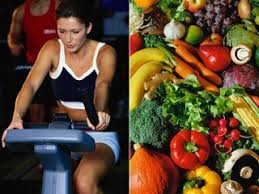
And the way you'll get full is by eating six times a day, choosing from the nutritional program that has been tried and proven. By eating every few hours, you'll keep your metabolism revved and ensure overall stomach satisfaction. The great thing about the Abs Diet powerfoods is that, because they're high in nutrients, protein, healthy fats, and fiber, they make it almost impossible to overeat. Proper nutrition will leave you feeling satiated all day long.

How to do it: Eat three standard meals and three smaller snacks. For example:

  • 8 a.m. Breakfast
  • 11 a.m. Snack
  • 1 p.m. Lunch
  • 4 p.m. Snack
  • 6 p.m. Dinner
  • 9 p.m. Snack


Friday, May 29, 2009

The Experts Know Best


Just recently the results of a meeting with a well-known expert who deals exclusively with the most effective strategies for losing stomach fat, reveals that the key is to focus on the REAL techniques that are going to get you lasting results, and teaches you how to avoid all of these "quick-fix" scams and gimmicks that are all over the infomercials and the internet these days.

Several of the mistakes he see's every day where people are going wrong in their fat loss attempts are:

1. Most people are wasting too much of their time doing hundreds of reps of ineffective crunches, situps, and other "abs pumping" exercises in their attempt at losing stomach fat.

2. Most people are wasting way too much time doing hours upon hours of boring monotonous cardio routines.

3. Most people are failing miserably with fad diets promoted on a daily basis.

On this blog you will find suggestions on effective ways shed the unwanted pounds and live a healthier lifestyle.

Thursday, May 28, 2009

Important Reasons to Lose Unwanted Fat

Did you know that being overweight increases risk factors for a host of problems such as difficulty breathing, sleep apnea, gallbladder disease, pregnancy complications, osteoarthritis and skin problems?

Here’s the scoop on how your weight can lead to the following issues:

1. Breathing problems: Shortness of breath results from poor physical conditioning. Experts note that excess weight results in the body requiring more oxygen, especially during and after physical exertion or exercise. Impaired breathing function can be completely disabling and can end up restricting normal physical activity, which then gets in the way of weight loss.

2. Sleep apnea: Obesity can cause sleep apnea, a serious sleep disorder that occurs when a person's breathing is interrupted during sleep. The extra weight presses on the airways and can cause pauses in breathing during sleep.

3. Gallbladder disease and gallstones: The gallbladder stores bile, which is produced in the liver and aids in the digestion of fats in the small intestine. According to The American College of Gastroenterology, bile in the gallbladder becomes concentrated and thickens. Gallstones are then born out of this sludge from cholesterol and bile salts. The end result of the disease process is inflammation or gall stones.

4. Pregnancy complications: One third of adult women in the United States are obese, which is an independent risk factor for spontaneous abortion among women who undergo infertility treatments, gestational hypertension, preeclampsia and gestational . Trying to lose weight prior to pregnancy through healthy diet and exercise can help decrease all of these risks.

5. Osteoarthritis: Research shows that weight-bearing cartilage can tolerate only a certain amount of pounds per square inch. The more pounds per square inch the particular cartilage is subjected to, the earlier it will reach a point of failure. Even a weight loss of 10 to 20 pounds can result in substantial gains.

6. Skin problems: Obesity can cause skin folds, which can lead to yeast overgrowth in the skin. The retained moisture in body folds encourages the growth of bacteria and fungi, leading to skin rashes and a variety of infections.

Wednesday, May 27, 2009

Recover from a Weekend Binge


If this past weekend was like many other long Holiday weekends, and you met with family and friends and think you might have overdone it a little, you're not alone. Many people have also experienced similar long weekend which wreaked havoc on their waistline. So what can be done after a few days of binging?

Simply Get Moving:

You can't take back all the bratwursts you downed, but you can undo the damage with a fat-torching workout. Just tack these bonus exercises onto the end of your regular routine this week.

Squats and lunges target your glutes, quads, hamsrings, and hip flexors, stoking your body for post-workout calorie burning. Plus, working your largest muscle groups takes your fat-burning up a notch.

Remember, it took a weekend to develop, so don’t expect to drop the jelly-belly in just a couple of hours.

Tuesday, May 26, 2009

Vary your Walking Workout


Although there's no firm data on how many women have taken up walking to lose stomach fat over the past year, fitness experts say that the current financial crisis will likely only fuel the walking craze. After all, it's free, and the only equipment you need is a pair of comfortable shoes.

In fact, a recent survey of 1200 people showed that economic concerns were a primary reason people walked. High gas prices, in particular, have really encouraged folks to think of walking as a means of transportation.

Employers and employees alike are realizing that walking is an easy, inexpensive way to lose belly fat and improve their overall health. And what's notable in the study, is that participants did not have to make any dietary changes, and even lost a significant amount of weight, proving that walking itself was directly responsible for the improvement.

Other studies have shown that walking lowers blood pressure, increases energy, improves bone density, prevents weight gain, eases depression and reduces the risk of premature death from all causes--and that's just for starters.

But perhaps most encouraging, women everywhere are finding that even a little effort can lead to a big payoff. Start by squeezing in five minutes here, 10 minutes there--skipping short cab rides, not using the people mover at the airport – and some others you may think of.

Monday, May 25, 2009

Lace- up those Walking Shoes


Walking has long been the most popular form of exercise in the U.S. In fact, 30% of active Americans say it's their sweat session of choice, according to the Bureau of Labor Statistics.

Almost 80% of us stroll regularly for leisure, sport or to get from point A to point B the low-carbon way. But walking only recently shed its dowdy suburban image and started a renaissance as a serious workout--one that's increasingly popular among savvy urban women.

One San Francisco woman who used to think it wasn't 'real' exercise to walk, has now decided to trade her three-inch heels for pavement-friendly flats. She now covers up to 20 miles a week. And not only has she improved her commute to work, she is also more toned than she used to be.

She bravely admits that walking burns enough calories that she don't have to make any of my favorite foods off-limit. She explained that when she can't hit the gym in the middle of a rough day at work, she can always squeeze in a quick 10-minute stroll to clear my head.

Guys, you too can do it.

Sunday, May 24, 2009

Make Exercise a Part of Your Daily Routine

Part of the reason sticking to a diet or exercise program is so difficult is because people think of it as just that. It’s a program that they have to force themselves to stick to until they can finally lose the fat and be off the diet. But that’s not a productive or effective way to lose weight. Also, it often leads to extreme frustration because once you stop the diet or exercise routine, the fat usually comes right back in a matter of weeks.

So if you’re serious about losing belly fat and becoming a trimmer, healthier person, you have to treat what you eat not as a diet but as your new eating habits. It’s not a diet; it’s a lifestyle. And the same goes for exercise. You’re not simply exercising every day for a few months in order to get more in shape. The exercise must become a part of your everyday routine. To that end, it’s not something that you’ll stop once you’re pleased with the way you look.

Saturday, May 23, 2009

Secrets to Stick to an Exercise Routine


Some of us just feel like a big, bloated whale 90 percent of the time. Also sluggish, tired, stressed and sad. A crappy economy will do that to you.

Even though we know that we should be exercising, it is sometimes troubling to stick to the routine.

Here are five favorites that can keep you going:

1. Exercise on Mondays. This helps set the mental pattern for the week.

2. Don't skip two days in a row. You can miss one day, but the next day, you must exercise no matter how inconvenient it seems.

3. Don't link exercise to weight loss. Because if you don't lose weight easily, you're likely to ditch your exercise routine if you believe it's not working.

4. You must exercise frequently. If you think you're staying in shape by doing yoga once a week, you're wrong. It's not enough. You should be exercising four or five times a week.

5. Look for affordable ways to make exercising more pleasant. Can you upgrade to a nicer gym? Buy new workout clothes? Get a trainer? Exercise is important, so don't feel bad spending a little cash on it (if you can).

Friday, May 22, 2009

Diet and Exercise Slow Cancer Survivors' Functional Decline

A study has suggested that practicing healthy lifestyle behaviours can reduce the rate of functional decline among older, overweight long-term survivors of colorectal, breast and prostate cancer.

Impressively, a home-based diet and exercise program slowed the decline of physical function in older, overweight cancer survivors, the new research found.

The study participants included 641 people in the United States, Canada and the United Kingdom, aged 65 to 91, who were overweight and were long-term (five years or more) survivors of breast, prostate and colorectal cancer.

Some were assigned to a control group, while others were assigned to a 12-month intervention program that included telephone counseling, mailed materials promoting exercise, improved diet, and modest weight loss.

The study found that duration of strength-training exercise and endurance exercise minutes increased in the intervention group but stayed the same in the control group.

The researchers also found that the average intake of fruits and vegetables increased by 1.24 daily servings in the intervention group and by 0.13 daily servings in the control group.

At the start of the study, the average functional score for all the participants was 75.7 out of 100, which is comparable with the midpoint score for men and women aged 65 or older. By the end of the study, functional scores had declined an average of 2.15 points in the intervention group, compared to a decline of 4.84 points in the control group.

Thursday, May 21, 2009

Dog Is a Man's (or a Woman's) Best Workout Partner


It is always helpful to workout with company. Most choose a partner, if for no other reason but for motivation when they are about to quit from either exhaustion or frustration.

Man’s best friend has proven to be a superb partner. Since living and exercising with a dog teaches you to integrate fitness in a natural way. It's not always about putting gym clothes on, but instead you learn to burn calories by heading to the dog park and exploring hiking trails. Folks find themselves walking for an hour a day, and often plan two- or three-hour excursions on weekends, which help to improve their attitudes towards exercise.

A word of caution before you go off and adopt a dog for the fitness benefits, though, remember that unlike a set of stretchy bands, the total tail-wagging package comes with a fair share of slobbering and shedding. So be warned and good luck.

Wednesday, May 20, 2009

Tips From Real People About Weight Loss

Here are 5 useful and practical, "It Works for Me" weight-loss tips from folks who have battled with unwanted belly fat, and have seen various levels of success.

1. Satisfy your taste buds and you'll eat less. By adding flavor to your foods (hot sauce, cracked black pepper, sea salt, and spices), you’ll find it easier to skimp on calories.

2. Do pushups on a pair of 30-pound hexagonal dumbbells. After every rep, from the up position, pull one dumbbell up to your chest. Slowly return it to the floor, then pull the other dumbbell to your chest. Place it back on the floor, then hit another pushup, and repeat.

3. Try to eat dinner before 7 p.m. so your body has a few hours to burn the calories off before you go to bed.

4. Crunchy vegetables trick me into thinking I'm eating more than I really am. I bring a baggie full of cut-up vegetables to work for snacks: celery sticks, red pepper slices, cucumbers, carrot sticks, anything I have in my refrigerator crisper. I get the same crunch satisfaction that I'd get from eating those sour dough pretzels I used to gorge on for a fraction of the calories and a whole lot more nutrients.

5. Instead of adding breadcrumbs to ground beef or turkey when you make meatballs, add a handful of flaxseeds and sesame seeds, then grate a few carrots and a touch of hard cheese into the mixture. All that will add bulk, fiber, and more nutrients without affecting the flavor of the meatballs in your spaghetti sauce.

Tuesday, May 19, 2009

Choosing a New Gym is Key


Even though it may not seem that way, choosing a new gym is an important decision. A lot of thought and consideration should go into choosing a good gym. After all, this is the place where you will shed that unwanted belly fat. Consider the following when choosing a new gym:

1. Location: Often, a gym located somewhere between your home and office is best. When you’re crunched for time, having a gym close by will make things easier on your schedule.

2. Hours: While some gyms are open 24 hours a day, others are not. Whether you workout early in the morning or late at night, make sure the hours fit your schedule, or you’ll be paying for something you can’t access.

3. Members: Some gyms are co-ed, while some are same-sex only. You should feel relaxed in your exercise environment, not embarrassed or intimidated. Will you be comfortable exercising around the current members? On your tour, does the gym seem overly crowded?

4. Staff: The staff should be supportive and courteous, ready to answer questions or spot you on a machine if needed. Ask about their certifications. If you need a trainer, what are their rates?

5. Cleanliness: Make sure that towels are available to wipe off the equipment after each use. Peek into the locker rooms, showers, toilets and sinks to see that they’re properly maintained.

6. Equipment: Are there enough of the "popular" machines to go around. Is there a wide variety of machines available? Notice whether the staff is available to help you; And be cautious of out-of-order machines; this might be indicative of a poorly maintained gym.

7. Classes: Make sure that the classes you want to take are offered at the times you can attend. If group classes are the staple of your exercise program, find out if the gym charges extra for that.

8. Fees: Cost is probably the deciding factor when choosing a gym. Sign-up fees are often waived during certain promotions. Take a look at the payment schedule. Is it monthly, or do you have to commit to a year membership? Can you cancel without penalty?


Monday, May 18, 2009

Accident Victim Saved by Killer Abs


Being fit and improving your overall health can come in handy at times. Here is a report I must share with you.

Last month, a 47-year-old British woman, with killer abs, was about to take off on a paraglider in Andalusia, Spain, when a gust of wind lifted her up and flipped her over. She was dragged across the rough ground, with her stomach getting pummeled by rocks, according to ABC News.

"I got a smack in my abdomen, right across it with a big rock," the British woman said.

But thanks to her well-toned abs, the injuries she suffered -- a torn liver and pancreas, some scratches and numerous bruises -- could've been much worse.

The doctors said someone with those injuries would be sent straight into surgery, but she was told that because of her fitness level, she would be spared surgery. Her muscles had helped and saved her from anything worse.'"

Dr. Lisa Callahan, medical director of the Women's Sports Medicine Center at the Hospital for Special Surgery in New York, said the stronger your "musculoskeletal system" is, the more your internal organs will be protected.

But in general, healthy people are better able to recover from serious injuries because their heart rates tend to be lower, which reduces the risk of internal bleeding. They can heal faster too because their bodies are better at processing oxygen.